The Smart Way to Compare Pest Control Services in Warren County
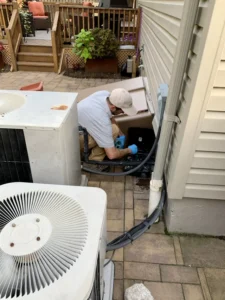
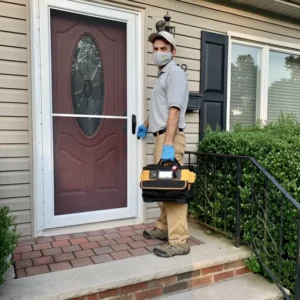
Choosing a pest control company sounds simple until you start making calls. One business promises same-day service, another talks about quarterly plans, and a third insists your problem needs a full exclusion project before they will even quote treatment. Prices vary more than most homeowners expect. So do methods, guarantees, follow-up practices, and technician experience. If you are comparing Pest Control Services Warren County homeowners commonly hire, the smartest approach is not to chase the lowest number first. It is to understand what you are actually buying.
That distinction matters because pest control is rarely a one-visit transaction. A wasp nest under the eaves may be straightforward. Carpenter ants in a wall, mice entering through a garage gap, or a recurring roach issue in a multi-unit property is something else entirely. What looks like the same service on paper can differ sharply in thoroughness and long-term value.
I have seen property owners make the same mistake again and again. They compare companies as if they were buying identical gallons of paint. One quote is $189, another is $325, so the cheaper one wins. Then two months later, they are paying a second company to solve the same issue because the first visit treated symptoms instead of the source. The better comparison is not just cost. It is inspection quality, treatment fit, follow-through, and whether the company understands the pest pressure specific to Warren County.
Start with the pest, not the provider
Before you compare companies, get clear on what problem you need solved. That sounds obvious, but many people skip it. They call around saying they have "bugs" or "critters," and the companies fill in the blanks differently. The quote you receive for a suspected mouse problem may be useless if what you actually have is flying squirrel activity in the attic. A "general pest" plan may help with occasional ants in the kitchen, but it will not necessarily resolve a hidden yellowjacket nest in a wall void.
Warren County properties can present a wide spread of pest conditions depending on age, lot size, surrounding vegetation, moisture, and season. A newer subdivision home with sealed construction may still struggle with pavement ants and occasional spiders. An older farmhouse near woods or water may face mice, stink bugs, cluster flies, carpenter bees, and moisture-loving insects that exploit every crack and warped trim board. Two homes on the same road can have very different needs.
When you first contact a company, describe what you are seeing in concrete terms. Mention where the activity occurs, how long it has been happening, whether it is seasonal, and whether you have tried any store-bought products already. The quality of the response tells you a lot. A good company will ask follow-up questions. They will want to know whether the ants have wings, whether the droppings are rice-sized or pellet-like, whether you hear movement at night, whether there is standing water in the crawl space, whether the issue spikes after rain. Those details separate informed diagnosis from generic sales.
A low quote can hide a high final cost
Pest control pricing is often structured to sound simple, but simple is not always honest. Some companies advertise an attractive entry price that covers only a basic spray around the base of the house. Others include inspection, treatment of likely entry points, follow-up visits, and warranty coverage in the number they quote. Unless you know what sits inside the price, side-by-side comparisons are misleading.
The biggest variables usually come from labor time, treatment scope, and frequency. A technician who spends fifteen minutes on site cannot inspect and address a property the same way a technician who spends an hour can. That does not mean every longer visit is better, but fast service is often a sign of limited scope. For a routine perimeter maintenance visit, short may be fine. For rodents, termites, bed bugs, or recurring stinging insect activity, speed can be a red flag.
Another point homeowners miss is how often retreatments are included. A company might quote less upfront because they charge separately every time the issue returns. Another may cost more initially but include return visits during a stated warranty period. If you have ever dealt with German roaches, mice, or persistent ant nesting, you know how important that detail becomes.
Ask whether the quoted service is a one-time treatment, part of a recurring program, or the first step in a larger process. If recurring service is recommended, ask why. Some homes genuinely benefit from ongoing exterior treatments and seasonal monitoring. Others may need targeted correction, exclusion, and a lighter maintenance schedule afterward. The right answer depends on the pest and the property, not on which membership plan is easiest to sell.
The inspection tells you more than the sales pitch
One of the clearest ways to compare Pest Control Services Warren County residents are considering is to look at how each company inspects. Inspection quality is the foundation of everything that follows. If the diagnosis is weak, the treatment plan will be weak too.
A solid inspection is rarely theatrical. It does not need gadgets and dramatic language. It needs observation, pattern recognition, and enough time to examine the places pests actually use. For rodents, that often means sill plates, garage corners, utility penetrations, attic access, and foundation gaps. For carpenter ants, it may involve moisture-prone trim, deck connections, window frames, and nearby tree stumps or woodpiles. For mosquitoes, the technician should notice grading issues, clogged gutters, dense shade, and hidden water-holding containers.
There is a practical difference between a company that inspects to understand and a company that inspects to confirm a preset package. You can usually feel it in the conversation. One technician says, "This is our premium home plan. We spray here, here, and here." Another says, "You have two different issues. The ant trail near the mudroom is likely foraging from outside, but the frass near the window trim suggests carpenter ants may be nesting in damp wood. I would treat and also recommend repairing this trim before spring." The second answer reflects actual problem-solving.
If the company offers free inspections, that can be useful, but free does not guarantee depth. Paid inspections can be worthwhile for complicated problems, especially when the technician has enough expertise to differentiate between look-alike pests or identify structural contributors. What matters is not whether the inspection costs something. It is whether it produces a credible plan.
Ask what they will do, where, and why
Many pest control proposals stay too vague. "Treat interior and exterior as needed" may sound reasonable, but it Pest Control Services Warren County Affordable Pest Solutions LLC tells you very little. When comparing providers, ask them to explain the actual treatment approach in plain language. A professional company should be able to describe where products may be applied, what conditions they are targeting, and what non-chemical steps matter just as much.
This does not mean you need a chemistry lecture. It means you should understand whether the company is relying on crack-and-crevice treatment, baiting, dust application in voids, exclusion recommendations, trapping, habitat reduction, or a mix of methods. Pest control done well is integrated work. The chemical piece matters, but it is only one piece.
For example, a mouse problem treated only with bait stations may continue if the entry holes behind the AC line set and under the garage door remain open. A yellowjacket problem may not resolve fully if the visible nest is treated but another access point in the siding void is ignored. A flea issue may improve briefly after treatment but return if pet hosts and fabric areas are not addressed correctly. Good companies explain these links rather than oversimplifying them.
You also want to know whether the service is tailored to children, pets, sensitive indoor environments, or food-handling areas if those factors apply. A professional answer should be calm and specific. If someone gets defensive when you ask what products are used or how applications are made, that is not a great sign.
Local knowledge matters more than big promises
Pest control is local in a very practical sense. A company familiar with Warren County should understand seasonal patterns, common housing styles, and the pest pressures that come with wooded lots, agricultural edges, older basements, and changing weather. That knowledge often shows up in small but meaningful ways.
A technician with local experience knows that winter rodent calls often rise after the first sustained cold stretch, that spring ant activity may explode after heavy rain, and that late-summer stinging insect complaints can become urgent fast because colonies are larger and more defensive. They know that some neighborhoods with mature trees see more carpenter ant issues, while low drainage areas may produce stronger mosquito or moisture pest activity. They understand that a stone foundation and a modern poured foundation present different inspection challenges.
This is one reason giant promises from broad marketing campaigns should not carry too much weight. A polished website does not tell you whether the technician assigned to your home can identify frass correctly or spot the hidden gap under the siding return by the deck ledger. The company does not need to be small to be good, and it does not need to be large to be reliable. It does need field competence.
Local reviews can help here, especially when they mention the actual pest problem, the technician’s thoroughness, and whether the fix held over time. Look for patterns instead of isolated praise. A dozen reviews that mention responsiveness are useful. So are comments about clear explanations, effective follow-up, and whether the company stood behind the work when the first treatment did not fully solve the issue.
Compare service models, not just service names
One confusion point in this industry is that similar labels can mean different things. "General pest control" might mean a preventive exterior barrier with limited indoor treatment as needed. Or it might mean a more involved quarterly program with webs knocked down, entry points checked, and seasonal adjustments. "Rodent control" could mean setting traps. It could also include sanitation advice, monitoring, exclusion recommendations, and multiple follow-ups.
When you compare companies, line up their service models as accurately as possible. The cheapest one-time spray is not competing with a recurring monitoring program. A basic mouse setup is not competing with a full seal-up and trapping package. These are different interventions.
This is especially important for landlords and property managers. A low per-unit rate can look appealing until recurring calls, tenant dissatisfaction, and piecemeal treatments create more cost and disruption than a stronger initial plan would have. In multifamily settings, communication and documentation are often as valuable as the treatment itself.
One property manager I knew learned this the hard way with recurring roach complaints in an older building. The first vendor charged less per visit but treated only the complaining unit. The second vendor inspected adjacent units, looked at plumbing penetrations, coordinated follow-ups, and documented resident preparation issues. The monthly bill was higher. The annual cost of the problem was lower.
A few questions separate serious companies from casual operators
When you are narrowing the field, a short set of direct questions can reveal a lot. You do not need to interrogate anyone. You just need enough clarity to know whether the company works methodically.
- What exactly is included in the quoted price, and what would trigger additional charges?
- How many visits do you expect this problem to require, based on what you know so far?
- What conditions around the house are likely contributing to the issue?
- If the problem returns during the warranty period, what happens next?
- Will you provide a written treatment plan or service summary after the visit?
Good answers tend to be measured. Be wary of certainty where certainty is not realistic. No honest technician can guarantee that a single visit will permanently solve every ant, mouse, or wasp problem in every structure. Pests are biological systems interacting with buildings, weather, sanitation, moisture, and habitat. Anyone who promises a miracle fix on limited information is selling confidence more than competence.
Watch for warning signs in the estimate process
Homeowners often focus on what sounds impressive, but warning signs are usually quieter. If the company cannot explain why one treatment is better than another, that matters. If they avoid discussing exclusions, moisture corrections, or sanitation when those issues clearly contribute, that matters too. Pest control done well is not just product application. It is diagnosis plus correction.
A rushed estimate is another concern. If the representative quotes from the driveway without asking to see the affected area, you are not getting a true comparison. There are exceptions, of course. Some straightforward services can be priced efficiently from known property characteristics. But when the problem is active and specific, especially rodents, termites, carpenter ants, or interior nesting wasps, no-look quoting carries risk.
Pay attention to paperwork as well. A clean, understandable proposal shows professionalism. It should Pest Control Services Warren County identify the target pest if known, outline the service scope, note any preparation expected from you, and state warranty or retreat terms clearly. Vague paperwork often leads to vague accountability.
Timing, season, and urgency affect value
Not every pest issue should be handled the same day, but some should. The urgency of service affects how you compare providers. A cluster of boxelder bugs on a sunny exterior wall is annoying. A suspected bed bug situation in a home with frequent overnight guests is urgent. A hornet nest near a front door used by children or elderly residents is urgent in a different way.
Warren County’s seasonal swings can also change what "good value" means. Preventive work done before peak activity can save money and frustration later. Sealing entry points in early fall is often more efficient than dealing with established rodent activity after temperatures drop. Treating carpenter bee galleries after active boring starts may protect trim and reduce future damage, but wood repairs and finishing still matter. Mosquito reduction works best when paired with early source reduction, not just reactive spraying after every backyard gathering gets ruined.
A company that can explain timing thoughtfully is easier to trust than one that insists every issue needs the same schedule. Pest pressure is seasonal, but homes are individual. A shaded property near standing water may need a different mosquito strategy than a breezy lot with open sun. An old barn conversion will not compare to a townhome built with tighter tolerances.
The cheapest company can be right, but only for the right job
There are situations where a lower-priced company is perfectly adequate. A simple exterior preventive service on a well-maintained home with minor seasonal pest activity may not require the most expensive option in town. If the scope is clear, the guarantee is fair, and the technician communicates well, value can come at a moderate price.
Where people get into trouble is assuming all jobs are simple. The more hidden, recurring, or structurally linked the pest issue is, the more dangerous it becomes to shop on price alone. Mice behind finished walls, carpenter ants connected to moisture intrusion, recurring pantry pests in a shared commercial kitchen, and large stinging insect colonies around inaccessible voids all call for stronger diagnostics and follow-up.
Think of it this way. If you are buying a straightforward service, price can carry more weight. If you are buying judgment, persistence, and troubleshooting, experience should carry more weight. Those are not the same purchase.
How to make the final decision without second-guessing yourself
After you gather estimates, step back and compare them through three lenses: credibility, fit, and total expected cost. Credibility comes from inspection quality, communication, and whether the company seems to understand your specific issue. Fit comes from whether the service model matches your property, household needs, and risk tolerance. Total expected cost includes not just the initial visit, but follow-ups, warranty value, and the chance you will need to hire someone else if the first approach underperforms.
This final comparison can be easier if you write a few notes for each company right after the call or visit. Memory gets fuzzy fast, especially when every provider uses similar language. Note whether they arrived on time, whether they inspected thoroughly, whether they answered questions directly, and whether their proposal made sense for your situation. Homeowners often regret ignoring the company that felt more competent simply because another quote came in lower.
Here is a practical way to think through the choice:
| What to compare | Why it matters | | --- | --- | | inspection depth | Better diagnosis usually leads to better results | | treatment scope | Prevents comparing a light service to a comprehensive one | | follow-up terms | Recurring pests often require adjustment and retreatment | | communication | Clear expectations reduce frustration and surprises | | local experience | Familiarity with Warren County conditions improves judgment |
If two companies are close in price, choose the one that seems more observant and more willing to explain trade-offs honestly. If one company is much cheaper, make sure you can identify exactly what is missing from the scope before you assume you found a bargain. Sometimes you did. Often you found a thinner service.
The smartest comparison process is not flashy. It is methodical. Define the pest problem as clearly as you can. Ask what the company sees, what they plan to do, and what happens if the issue persists. Compare written scopes, not just verbal promises. Weigh local knowledge, inspection quality, and follow-through as heavily as the price line. That is how homeowners and property managers separate real value from a number that only looks good at the start.
When you approach Pest Control Services Warren County with that mindset, the decision usually becomes clearer. The best choice is not always the cheapest or the most advertised. It is the company most likely to solve the actual problem in front of you, with a plan that holds up after the truck pulls away.
Affordable Pest Solutions LLC
Budd Lake, NJ 07828 (service-area business)
Serving Warren, Morris and Sussex Counties, New Jersey
Phone: +1 973-229-9547
FAQ About Pest Control Services Warren County
How much does pest control cost in NJ?
The cost depends on the pest, the size of the property, the extent of activity and whether follow-up visits are needed. Ask for an inspection and a written estimate that explains the treatment scope and any ongoing service charges. Affordable Pest Solutions offers free estimates for properties in its service area.
What are the most common household bugs in New Jersey?
Ants, cockroaches, stink bugs and spiders are among the pests that residents may encounter in New Jersey homes. Activity varies by season, moisture conditions and available entry points. Correct identification helps determine whether exclusion, sanitation, monitoring or professional treatment is appropriate.
What kind of bugs infest homes?
Ants, cockroaches and termites can establish persistent activity in or around homes. The signs and appropriate response differ by pest: trails, droppings, shed wings or damaged wood may warrant closer inspection. A pest professional can identify the cause and recommend a plan suited to the property.
Ends · ARTHURYZMH424